How Early Dental Care Helps Saskatoon Children Develop Healthy Smiles


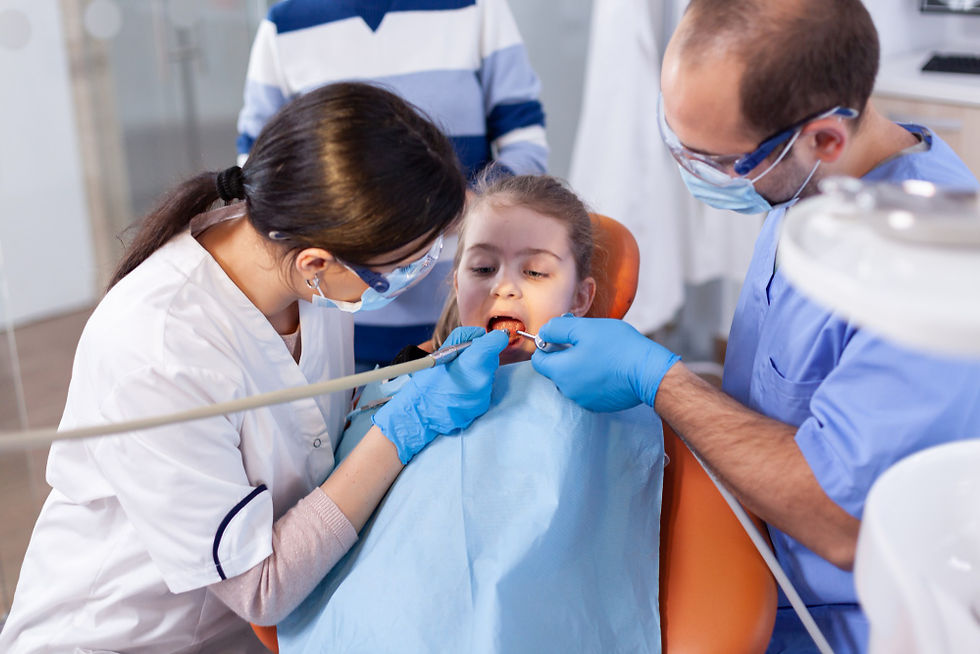
A child's first trip to the dental chair can feel like a gamble. One tense appointment, with its bright light and unfamiliar sounds, can teach a young child that dental care is something to fear. That fear often follows them into adolescence and adulthood, turning simple checkups into a source of dread. Early, gentle visits change that pattern. A caring pediatric dentist in Saskatoon helps children link oral health with comfort rather than anxiety, and that early impression can shape their habits for years.
Why the First Visit Happens Sooner Than Many Parents Expect
Many parents assume a child should wait until most baby teeth arrive or until a problem shows up. Current guidance points the other way. The Canadian Dental Association recommends a first dental visit within six months of the first tooth erupting, or by the first birthday, whichever comes first.
The reasoning is preventive. Tooth decay can begin as soon as teeth break through the gums, and early visits let a dentist catch risk before it turns into pain. Decay is also common: national survey data show that close to half of Canadian six-year-olds have already had cavities in their baby teeth. The stakes climb from there.
Tooth decay accounts for roughly one-third of all day surgeries performed on Canadian children aged one to five, with about 19,000 of these procedures each year under general anesthesia. Starting early gives families a chance to avoid that path. Pediatric-focused clinics like Tiny Teeth Pediatric Dentistry often welcome infants well before the first birthday for this reason.
How Early Visits Shape Lifelong Habits
A first visit does far more than count teeth. It builds the emotional framework a child carries into every appointment that follows.
Comfort Replaces Fear
Children form strong emotional memories around healthcare. A calm, friendly first visit teaches a child that the dental office is a safe place. Clinics that focus on Saskatoon pediatric dentistry often shape each appointment around the child, using playful language, shorter visits, and gentle pacing. When the chair feels familiar, checkups feel routine rather than frightening. Practices such as Tiny Teeth Pediatric Dentistry build each visit around that early sense of trust.
Habits Form Through Repetition
Brushing, flossing, and regular checkups stick when they start young. A dentist can show a parent how to clean an infant's gums, when to introduce fluoride toothpaste, and how diet shapes developing teeth. These small lessons, repeated over time, turn into automatic routines.
What Happens at a Child's Early Dental Visit
Knowing what to expect helps a parent stay relaxed, and a relaxed parent often means a relaxed child. An early appointment is usually short and low-pressure. It tends to include:
A gentle look at the teeth, gums, and bite, sometimes using a knee-to-knee position with the parent
A review of brushing and feeding habits, with tips suited to the child's age
A caries-risk check to flag early signs of decay
Time for questions about teething, thumb-sucking, or pacifier use
At a child-focused office such as Tiny Teeth Pediatric Dentistry, the first appointment leans more toward familiarity than treatment. The goal is a child who leaves curious instead of scared.
How Parents Set the Tone at Home
A dentist guides the clinical side, but daily habits at home keep the routine alive.
Wipe an infant's gums with a damp cloth after feeding, then brush twice daily once teeth appear.
Limit sugary drinks and juice, and offer water between meals.
Talk about dental visits in a calm, upbeat way since children absorb a parent's nerves.
Keep checkups regular so the habit never lapses.
Steady home care and visits with the same dental team reinforce each other, and that pairing does most of the heavy lifting in early oral health.
Common Questions From Saskatoon Parents
When should a child first see a dentist?
Within six months of the first tooth coming in, or by the first birthday. Early assessment helps a dentist spot concerns before they grow.
Do baby teeth really need treatment if they fall out anyway?
Yes. Baby teeth guide adult teeth into position and affect speech, eating, and comfort. Decay in primary teeth can cause real pain and lead to larger problems.
How can a parent ease first-visit nerves?
Keep the tone light, skip words like "hurt" or "needle," and pick a practice used for young children. A child-friendly setting handles much of the rest.
The Bottom Line
A child's earliest dental visits do more than protect baby teeth. They shape how that child feels about oral health for decades. Calm, early, and consistent care turns the dental office from a place of worry into a familiar part of staying healthy. Families who start young hand their children a head start that brushing alone cannot match.
Many Saskatoon dentists who concentrate on young patients, including teams like Tiny Teeth Pediatric Dentistry, build that first appointment around comfort and trust. Parents ready to set a healthy foundation can book a first checkup with a pediatric dental team and start their child's oral health story on the right note.


Great post! As a parent in Saskatoon, I’ve learned that early dental visits are absolute game-changers for our kids. Getting those little ones into a chair by age one isn't just about spotting cavities early; it’s about making the dentist a familiar, stress-free place. Building these healthy habits now—like proper brushing and routine cleanings—saves so much grief later on. It’s definitely worth prioritizing so our children can grow up with confident, healthy smiles. Much like planning a trip for Tanzania Safari Tours, starting early with the right preparation ensures a much smoother and more enjoyable journey for everyone!