Why Some Saskatoon Kids Need Sedation for a Simple Cleaning And When It's Safe

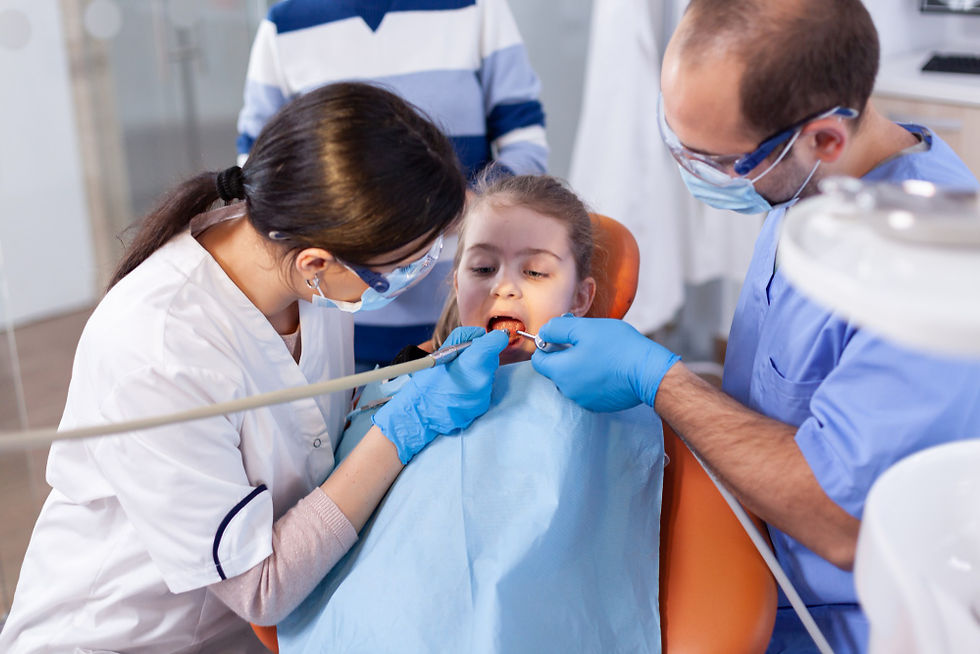
A routine cleaning takes about twenty minutes. For some children, those twenty minutes feel impossible. They cry in the parking lot, clamp their mouths shut in the chair, or panic the second the polisher hums. Parents leave feeling defeated, hygienists finish half the job, and small cavities quietly grow into painful ones. Skipping visits only deepens the fear, and untreated decay in baby teeth can affect eating, speech, and the adult teeth forming underneath.
A pediatric sedation dental clinic offers a different path. This guide covers why some children genuinely cannot cope with routine care, which sedation options exist, and how dental teams decide when sedation is safe and truly necessary.
Why a "Simple" Cleaning Isn't Simple for Every Child
Research published in the Journal of Dentistry estimates that roughly 30 percent of children aged two to six experience dental fear and anxiety. That fear is not defiance or poor parenting. It has real, identifiable causes:
Age and development: A three-year-old cannot always understand why a stranger is putting metal tools in their mouth, no matter how gently it is explained.
Sensory sensitivities: Children with autism, ADHD, or sensory processing differences may find the bright lights, suction sounds, and gritty polish overwhelming rather than merely unpleasant.
Past painful experiences: One rushed or uncomfortable visit can wire a child's brain to expect pain every time.
Strong gag reflexes: Some kids physically cannot tolerate instruments near the back of the mouth.
Medical complexity: Children with certain health conditions may struggle to sit still or follow instructions for the length of an appointment.
Extensive treatment needs: When a "cleaning" turns into scaling plus several fillings, the appointment becomes too long for a young child to manage awake.
When these factors are present, forcing a child through an appointment can cause more harm than good. It damages trust and teaches the child that dental care equals distress.
Sedation Options a Pediatric Dental Team May Use
Sedation is not one single thing. Clinics such as Tiny Teeth Pediatric Dentistry match the level of sedation to the child's needs, health history, and the complexity of the procedure.
Nitrous Oxide (Laughing Gas)
The mildest option. The child breathes a blend of nitrous oxide and oxygen through a small nose mask, stays fully awake, and feels calm and a little floaty. It wears off within minutes, and kids can usually return to school the same day. It works well for mild to moderate anxiety and shorter procedures.
Oral Sedation
A prescribed medication, taken by mouth before the appointment, helps an anxious child relax more deeply. The child remains conscious and breathing on their own but may feel drowsy and remember little of the visit. This option suits children who need more support than laughing gas provides.
General Anesthesia
For very young children, kids with significant special needs, or cases requiring extensive treatment, completing all the work in one visit under general anesthesia can be the safest and kindest route. The child sleeps through the entire procedure while an anesthesia provider monitors breathing, heart rate, and oxygen levels the whole time.
When Is Sedation Actually Safe?
This is the question every parent asks, and it deserves a direct answer: sedation is safe when it is properly matched to the child and properly monitored.
A qualified pediatric dentist in Saskatoon follows strict protocols before recommending any form of sedation:
A full health review: The team screens the child's medical history, medications, allergies, airway anatomy, and any conditions such as asthma or sleep apnea.
Clear fasting instructions: Parents receive specific guidance on when the child must stop eating and drinking before the appointment.
Continuous monitoring: Trained staff track vital signs throughout the procedure, with emergency equipment and protocols in place.
Guideline-based dosing: Reputable providers follow standards set by bodies like the American Academy of Pediatric Dentistry and the regulations of the Saskatchewan dental college.
Just as important, an ethical practice knows when sedation is not needed. Mild nervousness often responds to behaviour guidance techniques: tell-show-do, short "happy visits," distraction, and patient coaching. Teams like Tiny Teeth Pediatric Dentistry typically try these gentler approaches first and reserve sedation for children who genuinely cannot receive safe care without it.
How Parents Can Help Before and After
Preparation at home makes sedation visits smoother:
Keep language neutral. Say "the dentist will count your teeth," not "it won't hurt."
Follow fasting rules exactly. Even a small snack can force a cancellation.
Dress the child in comfortable clothing and bring a favourite stuffed toy or blanket.
Plan a quiet day afterward. Drowsiness, wobbliness, and crankiness are normal for a few hours after oral sedation or anesthesia.
Push fluids and soft foods once the team gives the go-ahead.
Practices like Tiny Teeth Pediatric Dentistry provide written pre- and post-visit instructions, so parents never have to rely on memory alone.
The Bottom Line
Sedation is not a shortcut or a failure. For children with real anxiety, sensory differences, or complex treatment needs, it is a carefully regulated medical tool that turns an impossible appointment into a calm one, and it protects a child's long-term relationship with dental care. With proper screening, monitoring, and an experienced team, it carries a strong safety record.
If a child dreads the dental chair, or a past visit ended in tears, professional support is available close to home. Book a consultation with Tiny Teeth Pediatric Dentistry, a kids dentist in Saskatoon, to talk through the options and find the gentlest path forward for the child's smile.


Comments