Why More Saskatoon Parents Are Rethinking Pediatric Dental Visits Early


For years, families assumed the first dental visit could wait until a child started kindergarten. That timeline is shifting fast. Parents across the city are noticing cavities in toddlers, anxious reactions during first cleanings, and conflicting advice from well-meaning relatives. The frustration is real: nobody wants their child to associate the dentist with fear or pain.
The good news is that early visits change the entire trajectory. This article explains what is driving the shift toward earlier appointments, what actually happens during an infant or toddler visit, and how Saskatoon pediatric dentistry teams are helping families build positive habits from the very first tooth.
What Changed in the Last Decade
Three things shifted the conversation around when children should first see a dentist.
First, the Canadian Dental Association's official position is that infants should be assessed by a dentist within six months of the eruption of the first tooth or by 12 months of age, whichever comes first. That guidance replaces the older "wait until age three" approach that many grandparents still recall.
Second, untreated tooth decay in young children has become a national concern. A Canadian Institute for Health Information report found that early childhood caries accounted for roughly one-third of all day surgeries performed on Canadian children between ages one and five, with about 19,000 children undergoing dental surgery each year. Local clinics, including Tiny Teeth Pediatric Dentistry, see children who already have visible decay before their second birthday.
Third, parents themselves are better informed. Social media, parenting groups, and pediatrician referrals have made early oral health a regular topic of conversation.
The Cost of Waiting
Delaying a first visit until age three or four can mean:
Missed chances to spot enamel weakness early
Tooth decay that progresses silently between cleanings
A child's first appointment happened only after pain had already started
Higher anxiety during treatment because the visit is reactive, not routine
What an Early Visit Actually Looks Like
Many parents picture a full cleaning with sharp tools and bright lights. A first visit for an infant or toddler looks nothing like that.
The Knee-to-Knee Exam
For babies and young toddlers, the dentist and parent sit facing each other with knees touching. The child sits on the parent's lap and is gently laid back so their head rests on the dentist's knees. The exam takes two to three minutes. There are no drills, no needles, and usually no tears once the child realizes nothing scary is happening.
What the Dentist Looks For
During this short appointment, the dentist checks the following:
Tooth eruption patterns and spacing
Early signs of decay along the gum line
Frenum attachment (which can affect feeding and speech)
Bite alignment as more teeth come in
Habits like prolonged bottle use or thumb sucking
What Parents Get From the Visit
The exam itself is only half the value. Pediatric clinics like Tiny Teeth Pediatric Dentistry use the appointment to walk parents through brushing technique, fluoride use appropriate for the child's age, dietary triggers for decay, and how to handle teething. That coaching often matters more than the exam itself.
Why Early Familiarity Reduces Dental Anxiety
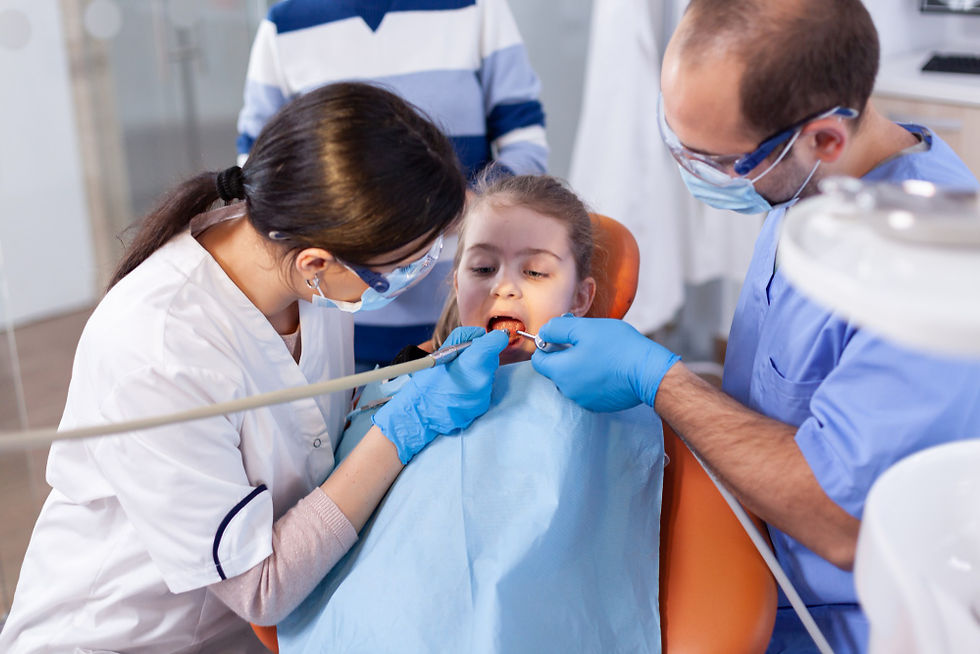
Children who start seeing a dentist before age two tend to walk into appointments calmly by age four. The reason is simple: the environment becomes familiar before anything uncomfortable ever happens. The chair, the lights, the gloves, and the friendly hygienist all feel ordinary.
Compare that to a child whose first appointment happens at age five because of a toothache. That child meets the dentist while in pain, and the brain links the office to the discomfort. Building positive associations early is one reason families across the city are choosing dental care in Saskatoon options that specialize in pediatric patients rather than general practices.
How Pediatric Clinics Set the Tone
Practices built around children, such as Tiny Teeth Pediatric Dentistry, design every detail with young patients in mind:
Smaller chairs and child-sized instruments
Staff trained specifically in pediatric behaviour guidance
Visual aids, books, and tell-show-do techniques
Calm pacing that respects a child's attention span
Habits That Support Long-Term Oral Health
The first visit is a starting point, not a finish line. What happens at home between appointments matters more than any single cleaning.
Daily Habits That Make the Biggest Difference
Brush twice daily as soon as the first tooth appears, using a rice-grain amount of fluoride toothpaste.
Wipe gums with a clean cloth before any teeth erupt.
Avoid putting a baby to bed with a bottle of milk, juice, or formula.
Limit sugary snacks and sticky foods between meals
Offer water, not juice, as the everyday drink
When to Book the Next Visit
Most pediatric dentists recommend cleanings every six months once a child has several teeth. Some children with higher decay risk benefit from three- or four-month intervals. The dentist will guide the schedule based on what they see.
The Bottom Line
Early visits work because they prevent problems instead of reacting to them, build comfort instead of fear, and give parents the coaching they need to protect tiny smiles at home. The shift toward earlier appointments is not a trend; it reflects what years of clinical evidence have shown about childhood oral health. Families ready to take that first step can book a consultation with experienced Saskatoon dentists who focus on infants, toddlers, and children, and start their child's dental journey on a calm, confident note.


Comments