How Saskatoon’s Pediatric Dental Care Is Transforming Family Dental Visits


Parents in Saskatoon are changing how their children view dental visits, transforming them from a source of anxiety to something more positive. This shift is a result of the evolution of pediatric dental care, which now focuses on comfort, trust, and education.
Clinics like Tiny Teeth Pediatric Dentistry are enhancing the experience with thoughtful dental care in Saskatoon, helping families build lasting relationships with oral health beyond just cleanings and check-ups.
The Specialists Shaping Young Smiles
At clinics like Tiny Teeth Pediatric Dentistry, the team emphasizes communication and patience as much as technical skill. Their expertise includes:
Guiding children through procedures using gentle, child-friendly language.
Using distraction techniques and sensory-aware approaches to reduce anxiety.
Creating a sense of routine and familiarity with consistent, caring staff.
This people-first mindset is what sets modern dental care in Saskatoon apart. It's no longer about simply fixing cavities; it's about shaping comfort, confidence, and cooperation.
Interestingly, this evolution mirrors national data. A 2025 study examining 16,338 children with special healthcare needs found that 83.29% received family-centered care (FCC), and those who did showed significantly better oral outcomes.
Children in FCC environments had 56% higher odds of receiving preventive visits, were 1.9 times more likely to have teeth rated as excellent or very good, and had 82% greater odds of having no cavities. These findings validate what Saskatoon's pediatric dentists have already embraced: that involving families in care decisions directly improves outcomes.
When Early Habits Make the Biggest Difference
Timing matters. Pediatric specialists often recommend that children see a dentist in Saskatoon within six months of their first tooth appearing, not because there's an immediate problem, but because early visits establish comfort and trust.
Early visits also help parents understand how to care for their child's teeth as they grow and develop. From brushing techniques to dietary guidance, these sessions set the foundation for a lifetime of healthy habits. The introduction of the Canadian Dental Care Plan (CDCP) has further supported these early interventions.
Launched between December 2023 and May 2025, the program now covers more than five million Canadians, including nearly 2.8 million who have already received care. Saskatchewan has shown above-average engagement, with 72.3 children per 1,000 participating, higher than the national average of 67.8.
For families in Saskatoon, this has meant greater access to pediatric specialists and reduced financial stress. On average, the CDCP saves eligible Canadians around $730 per year in dental costs, while families earning under $70,000 pay no out-of-pocket expenses. These savings make early and consistent care far more achievable for households that once struggled to prioritize it.
Where Family Involvement Becomes Part of the Process
Unlike traditional appointments, where parents wait outside, many modern pediatric clinics encourage family participation. Dentists invite caregivers into the treatment space to help children feel safe and supported. This inclusion isn't just for reassurance. It helps parents witness the care process, ask questions, and learn techniques for maintaining oral health at home. In doing so, dental care in Saskatoon becomes a collaborative effort rather than a clinical obligation.
At Tiny Teeth Saskatoon, for example, families are viewed as partners. This cooperative approach ensures consistency in routines from brushing before bedtime to managing sugar intake, reinforcing healthy behavior long after the visit ends.
The CDCP has made this level of involvement even more impactful. By covering regular exams, cleanings, fluoride treatments, sealants, X-rays, fillings, and emergency care for children up to the age of 18, it supports parents in establishing preventive routines from infancy. As of late 2024, 89% of active dental practices in Canada participate in the CDCP, meaning most Saskatoon families now have local access to this care model.


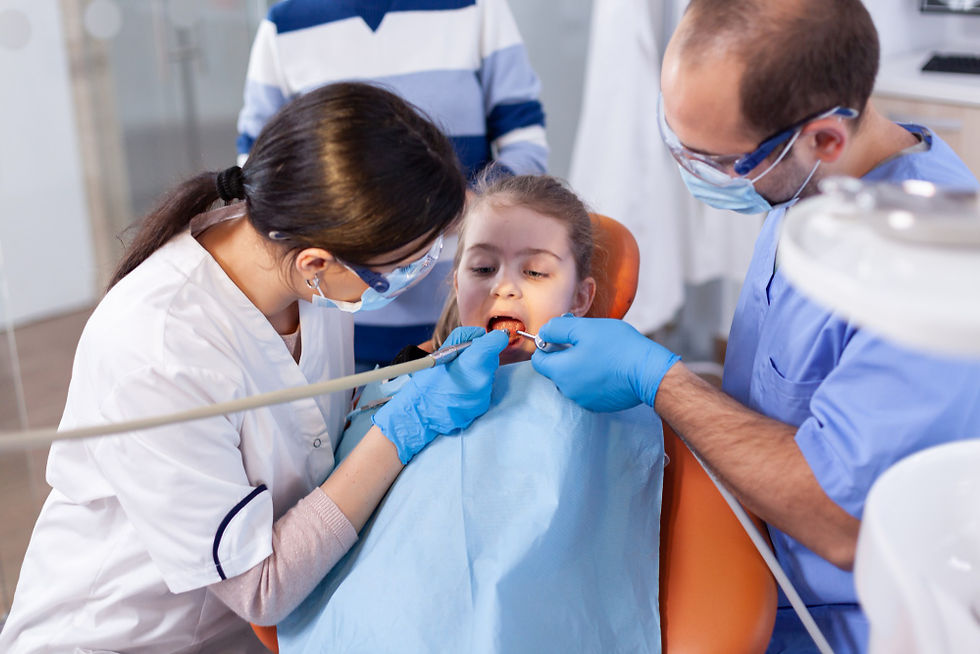
Insightful article on how pediatric dental care is improving the experience for families. Creating a comfortable and supportive environment helps children build positive dental habits from an early age. Parents seeking compassionate care can also explore a trusted Pediatric Dental Office in Parker for child-focused treatments and preventive care.